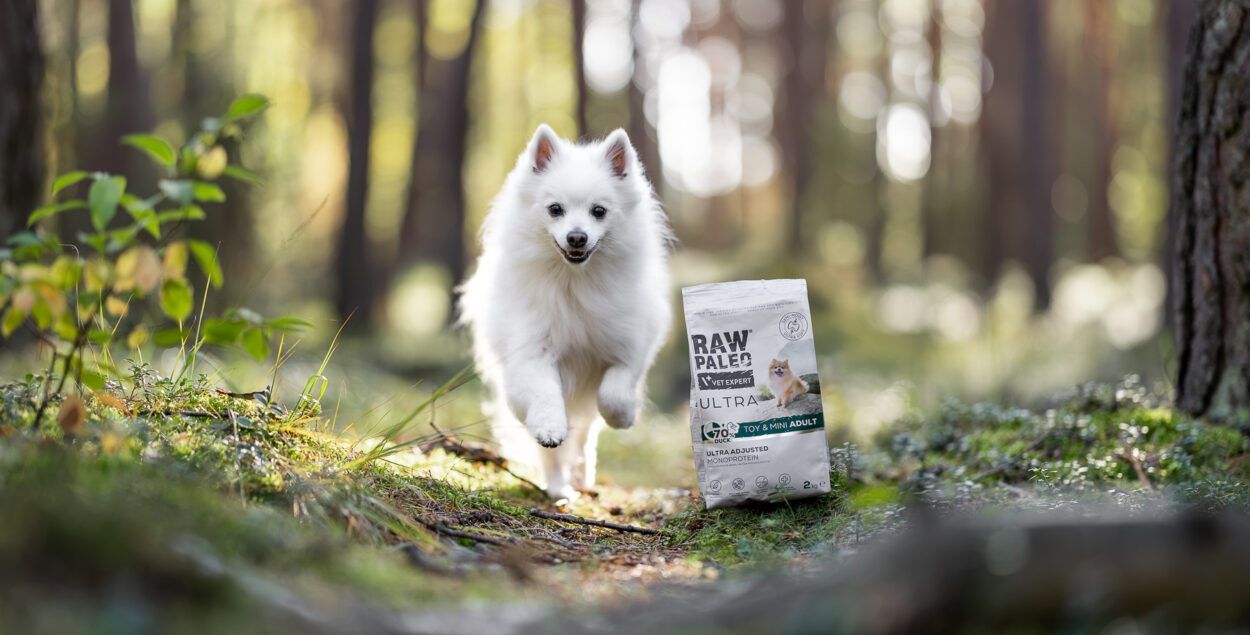
Small dogs have smaller jaws and may have their own preferences when it comes to food texture. Semi-moist dog food can offer a softer alternative to traditional dry kibble, while still providing a different feeding experience from wet food. When choosing the right food, it is worth considering whether the formula is complete and balanced, as well as its calorie content, kibble size, and suitability for the dog’s age and individual needs.
What is semi-moist dog food?
Semi-moist dog food, also referred to as soft dog food, contains more moisture than dry food but less than wet food. As a result, the kibble is softer, easier to chew and convenient to portion. This can be particularly beneficial for dogs that are reluctant to eat hard kibble or prefer a softer food texture.
However, the texture of dog food alone does not determine its nutritional value. When choosing a product, the key factors to consider are its composition, calorie content, kibble size and whether the recipe is suitable for the dog’s age, body weight and individual needs. If a food is labelled as complete, it can form the basis of a dog’s daily diet. Complementary food, on the other hand, does not provide all the essential nutrients and should therefore not be used as the sole replacement for a complete meal.
Why do small-breed dogs have specific nutritional needs?
Toy and small-breed dogs need food tailored to their specific requirements. Even a small portion should provide an appropriate amount of energy and essential nutrients, while the kibble should be small and soft enough for the dog to pick up and chew comfortably.
Daily feeding amounts should be adjusted according to the dog’s age, body weight, activity level and body condition. Due to their low body weight, even a seemingly small excess of food or treats can make a difference. It is therefore important to measure all meals carefully.
When can a semi-moist texture be beneficial?
Soft kibble may be suitable for dogs that are reluctant to eat hard kibble, fussy eaters, dogs with periodontal problems or missing teeth, and some senior dogs. However, difficulties with chewing should not be addressed solely by changing the texture of the food.
Food falling out of the mouth, excessive drooling, bad breath or pain while eating are signs that warrant an oral examination by a veterinary surgeon. Soft food does not treat periodontal disease.
What should you look for when choosing semi-moist dog food?
- Complete nutrition: The food should meet all the daily nutritional requirements of a healthy dog in the relevant life stage.
- Suitability for age and body weight: Food formulated for adult dogs differs in composition from food designed for puppies.
- Kibble size and softness: The kibble should be easy for a small dog to pick up and chew.
- Calorie content and feeding guidelines: Even highly palatable food needs to be measured carefully.
Terms such as “grain-free” and “single-protein” describe specific characteristics of a recipe but do not necessarily mean that the food will be suitable for every dog. If you suspect your dog has a food allergy, consult a veterinary surgeon who can help identify the cause of the symptoms and plan an appropriate elimination diet.
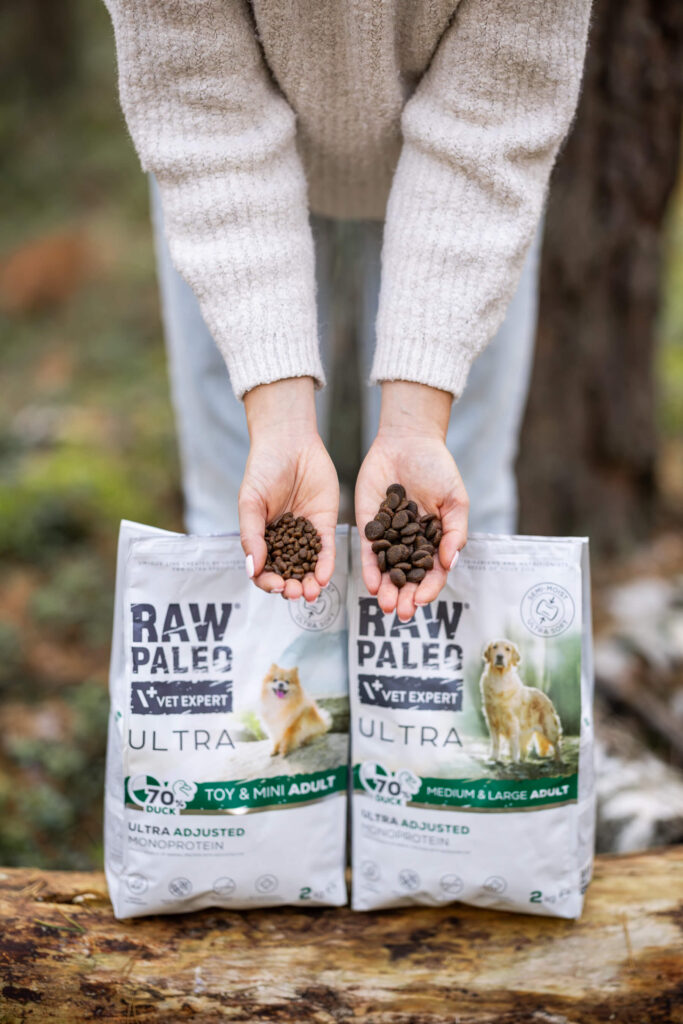
Semi-moist vs dry and wet dog food: which should you choose?
There is no single type of food that is suitable for every dog. Dry food is energy-dense and easy to store, wet food has a high moisture content, while semi-moist food combines a soft texture with convenient portioning. When making a choice, the most important factors to consider are your dog’s age, health, activity level and preferences, as well as the composition and nutritional completeness of the food.
Although semi-moist food contains more moisture than dry food, it does not meet a dog’s entire fluid requirement. Regardless of the type of food provided, dogs should always have access to fresh, clean drinking water.
How should you introduce semi-moist food into your dog’s diet?
Introduce the new food gradually. A transition period of approximately two weeks, during which the new food is mixed with the existing food, is recommended. Monitor your dog’s appetite, stools, body weight and general well-being. The new food should replace part of the previous daily ration rather than being added as an extra meal that increases overall calorie intake.
RAW PALEO ULTRA DUCK TOY & MINI ADULT is a complete semi-moist food designed for adult toy and small-breed dogs over 8 months of age, weighing less than 8 kg. Its soft kibble is easier to chew than traditional dry food, making it potentially suitable for senior dogs that prefer a gentler food texture.
The food features a single-protein recipe, with duck as the only source of animal protein and fat. It contains no glycerine, peas or grains. The formula is also enriched with prebiotics that support the gut microbiome, as well as linseed oil and salmon oil, which provide omega-3 and omega-6 fatty acids.
FAQ: Semi-moist dog food for small breeds
Can semi-moist dog food be fed every day?
Yes, provided it is complete, suitable for the dog’s age and nutritional needs, and fed in the appropriate amounts.
Is semi-moist food suitable for senior dogs?
Its soft texture may make eating easier, but any difficulties with chewing should also prompt a dental and gum examination.
Can semi-moist food be given to a small-breed puppy?
Food formulated for adult dogs should not be given to puppies as their regular diet. Puppies require products specifically formulated to meet the nutritional needs of growing dogs.
Is semi-moist food right for your dog?
Semi-moist food can be a good choice for adult small-breed dogs, particularly when soft kibble, palatability and convenient portioning are important. RAW PALEO ULTRA DUCK TOY & MINI ADULT combines a semi-moist texture with a complete, single-protein recipe designed for dogs weighing less than 8 kg. Introduce the food gradually and monitor portion sizes. If your dog has an underlying health condition, a suspected food allergy or digestive problems, consult your veterinary surgeon for dietary advice.